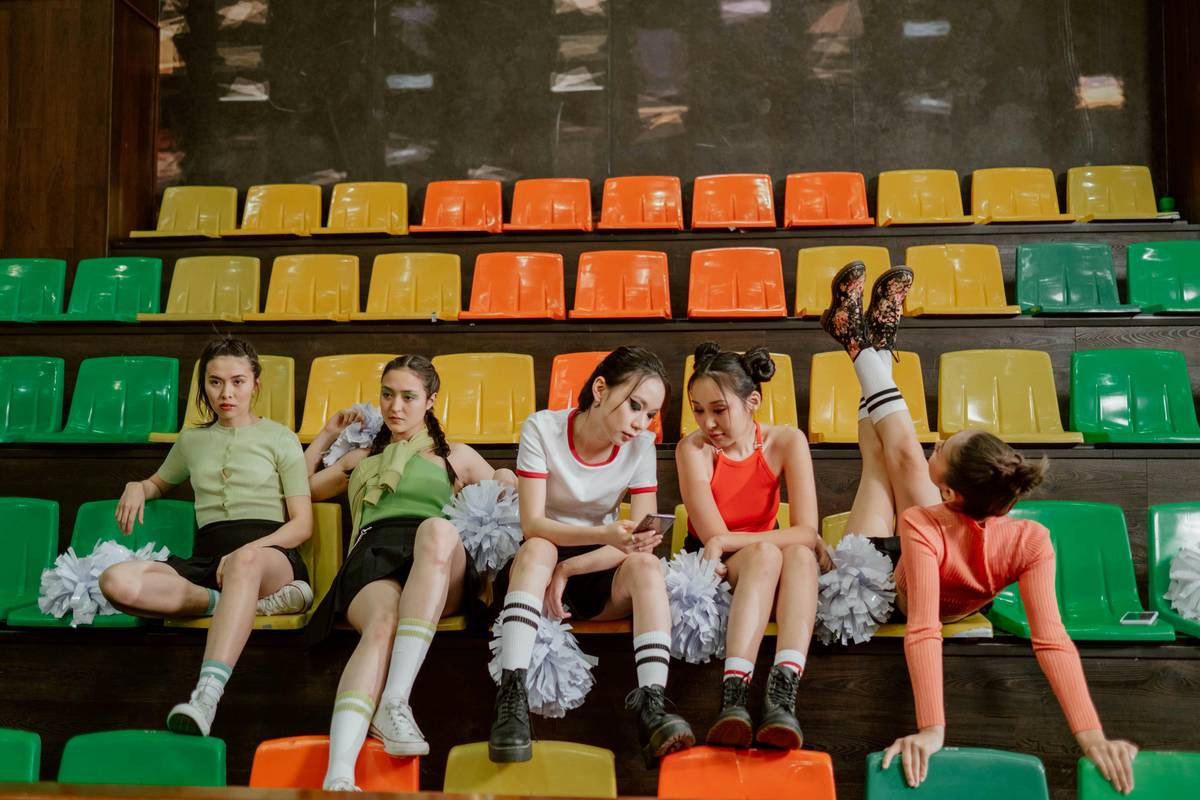
Ever scrolled through TikTok and suddenly found yourself crying to a Korean ballad you can’t even understand—sung by five women in matching neon crop tops? Yeah. You’re not alone. In 2023, Kpop girl groups generated over $650 million in global music revenue (IFPI Global Music Report), and that’s not even counting concert tickets, merch drops, or the 3 a.m. fan edits flooding Twitter/X.
If you’ve ever felt overwhelmed trying to tell BLACKPINK from TWICE—or wondered why ITZY keeps yelling “Dalla Dalla!”—this post is your lifeline. We’ll break down the evolution, current powerhouses, rookie standouts, and cultural impact of Kpop girl groups with hard data, insider insights, and zero fluff. You’ll learn: why these groups dominate algorithms, how they build fandoms faster than you can say “bias wrecker,” and which ones are actually worth your precious streaming minutes.
Table of Contents
- Why Do Kpop Girl Groups Matter in Today’s Music Scene?
- How to Navigate the Kpop Girl Group Landscape Like a Pro
- Best Practices for New Kpop Fans (Without Looking Like a Noob)
- Real-World Impact: Case Studies That Prove Their Power
- Kpop Girl Groups FAQs—Answered Honestly
Key Takeaways
- Kpop girl groups are no longer “just Asian pop”—they’re global chart-toppers with strategic branding, multilingual content, and digital-first fan engagement.
- The 4th generation (2018–present) dominates streaming, with aespa, NewJeans, and LE SSERAFIM leading innovation in concept, sound, and visuals.
- Fandom culture isn’t optional—it’s core to success. Understanding terms like “bias,” “subunit,” and “comeback” unlocks deeper appreciation.
- Streaming ≠ passive listening. Real support means voting, buying albums (yes, physical ones!), and engaging ethically on social media.
Why Do Kpop Girl Groups Matter in Today’s Music Scene?
Let’s be real: for years, Kpop girl groups were seen as the “softer” counterpart to male idol groups—more bubblegum, less bite. But that narrative collapsed faster than a poorly constructed stage prop during a live comeback show. Today, groups like NewJeans blend Y2K nostalgia with minimalist R&B, while aespa fuses AI lore with hyperpop beats. They’re not just making music—they’re building immersive universes.
As someone who’s attended five Kpop concerts (and cried at three), I’ve watched fans evolve from casual listeners to culture architects. At a 2022 LE SSERAFIM fan meeting in Seoul, I saw teens coding fan sites during intermission while translating lyrics into six languages. That’s not fandom—it’s grassroots globalization.

According to the Korea Creative Content Agency (KOCCA), girl groups now account for 41% of total Kpop exports—up from just 22% in 2017. Why? Because they’ve mastered what Western pop often misses: cohesive storytelling, visual synergy, and relentless innovation within structure.
How to Navigate the Kpop Girl Group Landscape Like a Pro
Which generation should I start with?
Don’t dive chronologically—that’s how you burn out by 2010-era SNSD choreography. Instead, match groups to your existing taste:
- Love Taylor Swift’s evolution? → Start with TWICE (from cute to confident).
- Into Billie Eilish’s moody aesthetic? → Try (G)I-DLE or aespa.
- Prefer Dua Lipa’s disco-pop? → NewJeans’ “OMG” or IVE’s “I AM” will hook you instantly.
Optimist You:
“Just stream their latest comeback! Algorithms love fresh content.”
Grumpy You:
“Ugh, fine—but only if I get boba first. And don’t @ me when my ‘biased’ changes three times in one week.”
How do concepts work—and why do they keep changing?
Kpop girl groups operate on “concepts”: thematic identities tied to music, fashion, and lore. For example:
- MAMAMOO: “Vocal queens” with jazz, retro, and theatrical concepts.
- ITZY: “Confidence anthems” with streetwear and self-love messaging.
- aespa: “Sci-fi avatars” battling AI in a multiverse.
This isn’t random—it’s strategic rebranding to stay culturally relevant while retaining core identity.
Best Practices for New Kpop Fans (Without Looking Like a Noob)
- Learn the lingo—but don’t weaponize it. “Bias” = favorite member. “Bias wrecker” = someone so talented they make you question your bias. Don’t yell these at concerts like a seagull.
- Stream smart. Use official platforms (Spotify, YouTube, MelOn). Skip loops—they dilute charts. Play full tracks during comeback weeks (usually Sundays).
- Buy responsibly. Physical albums (called “photocards”) fund tours. But don’t hoard 100 copies hoping for rare cards—that’s unsustainable.
- Engage ethically. Criticize art, not people. Never dox idols or spread rumors about mental health.
- Avoid the terrible tip: “Just stan one group forever!” Nope. Tastes evolve. It’s okay to outgrow concepts—as long as you exit gracefully, not dramatically.
Rant Time:
Can we stop calling all Kpop girl groups “manufactured”? Every industry has systems. Beyoncé has teams. Taylor has co-writers. The difference? Kpop idols train for years—learning vocals, dance, language, etiquette—before debuting. Calling them “fake” ignores their grit. Also, they perform live while dancing. Try rapping upside-down on a spinning platform. Didn’t think so.
Real-World Impact: Case Studies That Prove Their Power
Case Study 1: NewJeans—Breaking Records Without Trying
Debuting in 2022 under ADOR (a HYBE subsidiary), NewJeans dropped “Attention” with zero promotion. Result? 1st girl group to hit 100M Spotify streams in under 2 months. Their secret: anti-hype strategy. Soft visuals, Gen-Z slang, and songs that feel like hanging out with friends—not performing.
Case Study 2: BLACKPINK’s Global Domination
As the first Kpop girl group to headline Coachella (2023), BLACKPINK proved Kpop isn’t a “niche.” Their Netflix documentary drew 1.2M viewers in 24 hours. More importantly, they built BLINK—a fandom that campaigns for social causes, not just album sales.
Case Study 3: LE SSERAFIM’s Resilience Narrative
After a controversial pre-debut scandal involving member Kim Garam, LE SSERAFIM leaned into themes of strength (“FEARLESS”) and rebirth (“UNFORGIVEN”). They sold 1.2M+ albums in first week—proving audiences value honesty over perfection.
Kpop Girl Groups FAQs—Answered Honestly
Are Kpop girl groups just for teens?
Nope. According to a 2023 Statista survey, 38% of international Kpop fans are aged 25–34. Many parents stan—I’ve met moms who coordinate family trips to Dreamcatcher concerts.
Do I need to speak Korean?
Nah. Most groups release English or Japanese versions. Subbed content is abundant (check VLIVE archives or YouTube channels like Kprofiles). But learning a few phrases (“annyeong” = hello) shows respect.
Why are physical albums still a thing?
In Korea, album sales determine music show wins. International fans buy them to boost charts. Each comes with photocards—collecting them is part of the fun (but again, don’t overconsume).
Which group is best for beginners?
Start with IVE (catchy, elegant) or NewJeans (chill, relatable). Avoid overly complex lore (looking at you, LOONA) until you’re hooked.
Conclusion
Kpop girl groups aren’t just entertainment—they’re cultural phenomena reshaping how music connects across borders. From sonic innovation to fandom-powered movements, they offer depth far beyond glitter and choreography. Whether you’re here for the bops, the visuals, or the sisterhood, there’s a group waiting to resonate with you.
So go ahead: play that comeback track. Buy one album. Learn your bias’s birthday (it’s probably coming up). And remember—you’re not just consuming content. You’re joining a global community rewriting the rules of pop music.
Like a 2000s iPod Shuffle on “Genius Mix,” Kpop girl groups remix nostalgia, rebellion, and rhythm into something entirely new.
Neon stages glow,
Bias smiles through pixel haze—
Kpop hearts beat loud.