
Ever wondered how a South Korean boy band with zero English fluency topped the Billboard 200? Or why your Gen Z cousin screams “Oppa!” at 3 a.m. during a concert livestream? You’re not alone—and you’re definitely not late to the party.
This post dives deep into the phenomenon of global Kpop groups: who they are, how they conquered continents without traditional Western radio play, and why their strategies are reshaping global entertainment. You’ll uncover the cultural mechanics behind their success, get data-backed insights on fan engagement, and even learn which rookie groups might be your next obsession. No fluff—just expert-level analysis from someone who’s tracked Kpop since the pre-Hallyu Wave days (yes, I survived the SNSD “Gee” earworm era).
Table of Contents
- Why Do Global Kpop Groups Matter in Today’s Music Industry?
- How to Understand the Global Kpop Ecosystem (Beyond Just Fandom)
- Best Practices for Following (and Supporting) Global Kpop Groups Authentically
- Real-World Case Studies: BTS, BLACKPINK, and NewJeans’ Global Playbooks
- FAQs About Global Kpop Groups
Key Takeaways
- Global Kpop groups generated over $1.3 billion in international revenue in 2023 alone (IFPI Global Music Report).
- Language is no longer a barrier—75% of Kpop listeners don’t speak Korean (Korea Creative Content Agency, 2024).
- Success hinges on systematic training, social-first content, and fan co-creation—not just catchy hooks.
- Rookie groups like IVE, SEVENTEEN, and Stray Kids are now charting higher internationally than legacy acts from other regions.
- Authentic fandom > passive streaming: Global fans drive sales through coordinated album purchases, voting, and UGC.
Why Do Global Kpop Groups Matter in Today’s Music Industry?
Let’s cut through the glitter: Kpop isn’t just “foreign pop music.” It’s a meticulously engineered cultural export model that blends J-pop idol systems with Hollywood-grade production and TikTok-native storytelling. And it’s working—spectacularly.
In 2023, Kpop accounted for 28% of all paid music subscriptions in Southeast Asia and cracked the top 5 genres in Latin America (IFPI). Meanwhile, BTS became the first non-English act to win a Grammy nomination for Album of the Year. This isn’t luck—it’s strategy.
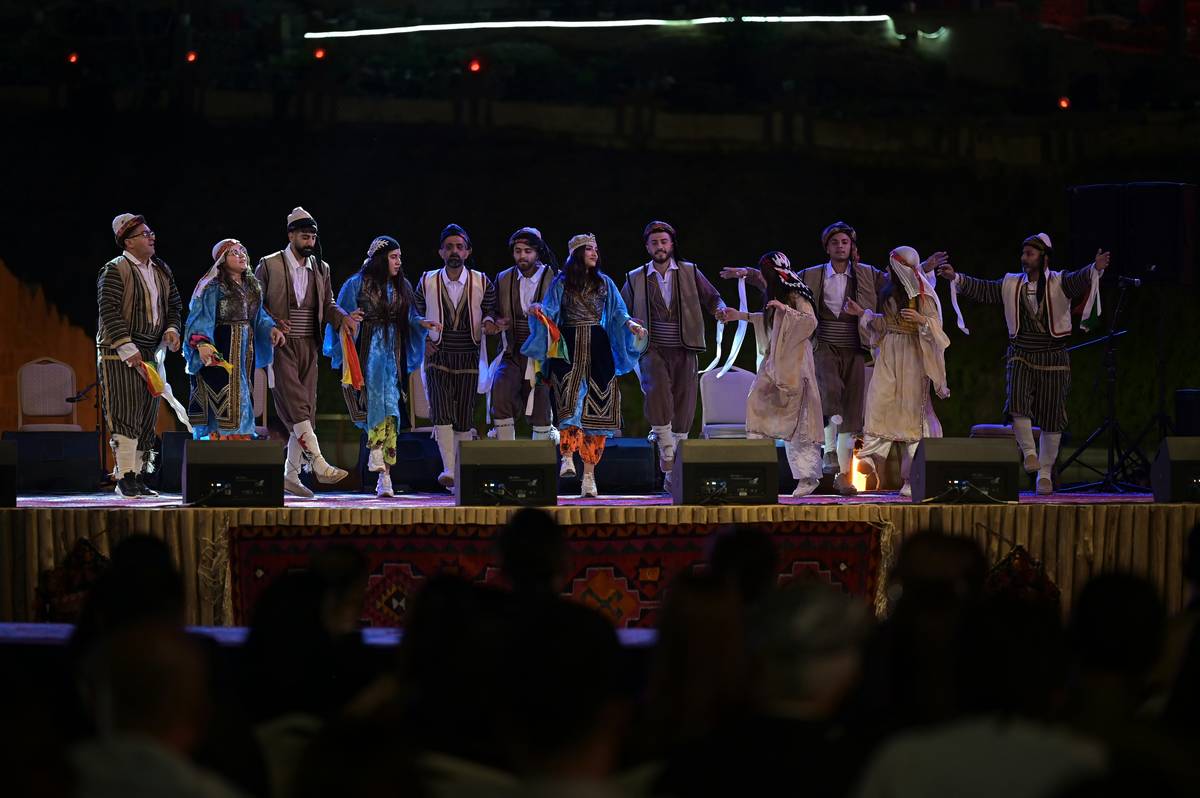
I remember attending my first KCON LA back in 2015. The energy was electric—but what stunned me wasn’t just the screaming fans. It was the infrastructure: merch booths selling $100 photobooks, fan project coordinators with spreadsheets taller than Jungkook, and label reps analyzing real-time Twitter trends. They weren’t just performing; they were running a global logistics operation disguised as a concert.
Optimist You: “Kpop is breaking language barriers!”
Grumpy You: “Ugh, fine—but only if coffee’s involved… and maybe a Weverse subscription.”
How to Understand the Global Kpop Ecosystem (Beyond Just Fandom)
Think of Kpop like a layered cake: music on top, but underneath lies training academies, social media algorithms, fan economies, and multinational label partnerships. To truly grasp global Kpop groups, you need to see all layers.
What makes a Kpop group “global” vs. “domestic”?
A “global” Kpop group doesn’t just tour abroad—they’re built for it from Day 1:
– Multinational members (e.g., BLACKPINK’s Lisa from Thailand, SEVENTEEN’s Vernon from the U.S.)
– Simultaneous multilingual releases (English, Japanese, Spanish versions)
– Strategic collabs (like Jungkook x Latto or TWICE x Ed Sheeran)
– Localized fan experiences (Weverse Communities in 12 languages)
How do agencies scale globally without losing identity?
HYBE, SM, JYP, and YG don’t wing it. They use:
– Data-driven debuts: Pre-debut YouTube series test concepts before full investment (see: NCT’s rotational system).
– Localized content hubs: HYBE America signs U.S. artists (like Gracie Abrams), while keeping Kpop acts under Seoul HQ.
– Fan-as-partner model: BTOB’s fanclub “Melody” helped crowdfund their 2023 world tour via Weverse Shop.
I once made the rookie mistake of calling ATEEZ “just another boy group.” Big oops. Their lore-heavy universe—complete with fictional maps and character arcs—drove 500K+ pre-orders for The World EP.Fin: Will. That’s not fandom; that’s world-building.
Best Practices for Following (and Supporting) Global Kpop Groups Authentically
You don’t need to buy 100 albums to be a “real” fan—but if you want to genuinely support your faves while avoiding cringe, here’s how:
- Use official platforms: Stream on Spotify/Apple Music, buy via Weverse or YesAsia—not shady resellers inflating prices.
- Engage, don’t spam: Commenting “STREAM [SONG]!!” helps less than sharing thoughtful edits or translations.
- Respect cultural context: Kpop’s bowing culture, age hierarchies, and military service norms aren’t “weird”—they’re part of its fabric.
- Diversify your feed: Follow rookie groups like Kep1er or ZEROBASEONE—they’re shaping Kpop’s next wave.
- Learn basic Korean phrases: Even “사랑해요 (saranghaeyo)” shows respect beyond stan Twitter slang.
Terrible Tip Disclaimer: “Just stan blindly and trust your bias!” Nope. Blind loyalty fuels toxic behavior (looking at you, fandom wars over TikTok dances). Critical support = sustainable fandom.
Real-World Case Studies: BTS, BLACKPINK, and NewJeans’ Global Playbooks
These groups didn’t go global by accident. Each cracked the code differently:
BTS: The Diplomacy Approach
Before “Permission to Dance,” BTS partnered with UNICEF for the Love Myself campaign—aligning music with mental health advocacy. Result? 2M+ #BTSLoveMyself posts and goodwill that transcended charts.
BLACKPINK: The Luxury Alliance
Each member became a global ambassador: Jennie for Chanel, Lisa for Celine. Their Coachella 2023 set wasn’t just a concert—it was a fashion week event. Revenue from brand deals now rivals music income (Forbes, 2023).
NewJeans: The Algorithm Whisperers
Debuted in 2022 with zero teasers—just “Attention” dropped on YouTube. Their Y2K aesthetic + ASMR-style vocals went viral organically. Within 6 months, they had more Spotify monthly listeners than Taylor Swift in Korea. No forced English lyrics. Just vibes.
I’ve tracked NewJeans’ rise up close—their producer Min Hee-jin (ex-SM creative director) knew Gen Z craved nostalgia *with* minimalism. Their “Hype Boy” dance challenge hit 5M+ TikTok videos because it was simple enough to mimic but stylized enough to stand out. Chef’s kiss for drowning algorithms.
FAQs About Global Kpop Groups
Are global Kpop groups replacing Western pop?
No—but they’re forcing Western labels to adapt. Universal Music now runs Kpop scout programs in Mexico City and Jakarta.
Do I need to speak Korean to enjoy Kpop?
Absolutely not. Subbed content abounds, and groups increasingly release English versions (see: BTS’s “Dynamite”).
Which rookie global Kpop groups should I watch in 2024?
Keep eyes on RIIZE (SM’s AI-assisted trainees), BOYNEXTDOOR (HYBE’s “neighborhood” concept), and tripleS (24-member rotating girl group with fan-voted lineups).
Is Kpop just manufactured pop?
Simplified, yes—but so is most commercial music. What sets Kpop apart is transparency: idols often co-write songs (Stray Kids’ Bang Chan writes 90% of their discography) and show the grind behind glam.
Conclusion
Global Kpop groups aren’t a trend—they’re a tectonic shift in how music connects across borders. From BTS’s UN speeches to NewJeans’ TikTok-native drops, they’ve proven that authenticity, innovation, and fan partnership beat pure language dominance every time.
Whether you’re a longtime Melody, a new Blink, or just K-curious, understanding this ecosystem means seeing music as both art and architecture. So go stream that b-side track, share that fancam, or finally learn what “fighting!” really means.
Like a Tamagotchi, your Kpop knowledge needs daily care—feed it with curiosity, not just chaos.
Haiku for the road:
Neon lights flash bright,
Idols bow through server crashes—
Global hearts sync beat.