Most fans chase viral choreography or polished visuals—but miss the deeper shift happening in K-pop. Enter onlyoneof kpop: a group that treats pop music like avant-garde theater. While others clone formulas, they weaponize vulnerability. If you’re tired of factory-made boy bands, here’s your antidote.
Why Traditional K-Pop Stardom Fails to Capture Onlyoneof’s Genius
The industry rewards homogeneity. Agencies pump out idols with identical dance breaks, skin tints, and comeback cycles. But onlyoneof kpop sidesteps that trap entirely. Their debut wasn’t just music—it was performance art dripping with queer aesthetics rarely seen in mainstream Korean boy groups.
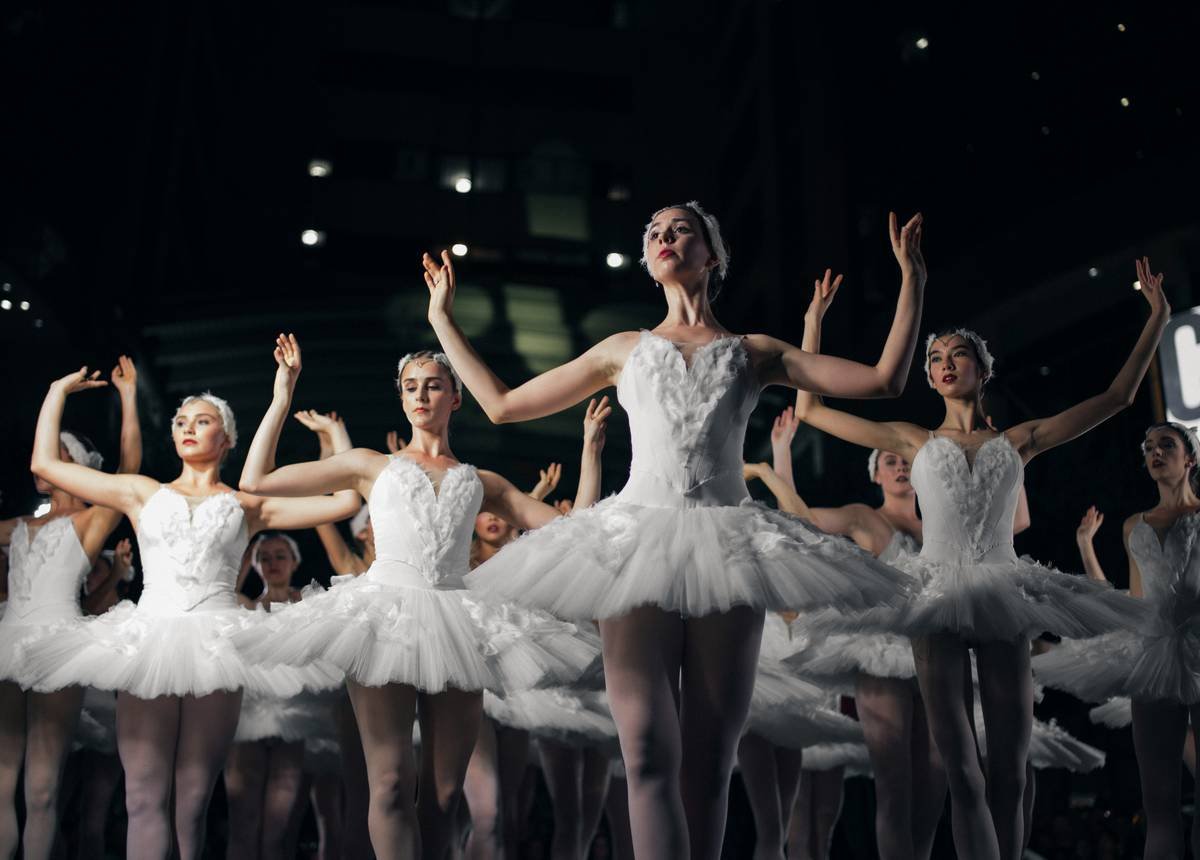
And it confused people. Early listeners expected bops, not ballet-infused concept films questioning gender norms. That dissonance? It’s intentional. They’re not competing for chart dominance—they’re building a cult of meaning.
How to Truly Understand onlyoneof kpop: A Fan’s Strategic Framework
Forget streaming numbers. To grasp this group, you need new metrics. Here’s how:
Decode Their Concept Albums Like Cinema
Each “part” in their Produced by [ ] series functions like an episodic film. “Part 1: A Prayer” isn’t a song—it’s a monologue wrapped in synthwave. Watch the MVs in sequence. Note recurring symbols: roses, red thread, shattered mirrors. These aren’t Easter eggs—they’re narrative anchors.
Treat Members as Archetypes, Not Just Idols
onlyoneof has six members, but they rarely perform as a cohesive unit. Instead, each embodies a role: the provocateur (KB), the poet (Love), the silent observer (JunJi). Focus on individual color—not just vocal range or dance position.
Engage With Their Anti-Fandom Strategy
They lean into discomfort. No cute fan service. No sanitized interviews. Their Weverse posts might feature black-and-white photos of empty hotel rooms with cryptic captions. Lean in. That unease is part of the experience.
| Fan Approach | Typical K-Pop Boy Group | onlyoneof kpop |
|---|---|---|
| Primary Engagement | Dance practice videos, fancams | Visual storytelling, symbolism analysis |
| Music Consumption | Spotify playlists, YouTube shorts | Full MV viewing + lyric deep dives |
| Loyalty Driver | Bias appeal, consistent image | Intellectual curiosity, emotional risk |

The Industry Secret: How Onlyoneof Subverts the K-Pop Profit Model
Here’s what no one talks about: their label, 88rising’s Korean arm, doesn’t rely on music sales. They monetize through high-end collaborations—think fashion drops with emerging Seoul designers and limited NFT art tied to album releases. The music? It’s the trailer for a lifestyle brand cloaked as a boy group.
But that’s not cynical. It’s liberation. Free from pressure to sell 500K albums in Week 1, they experiment. Their latest single featured zero choreography—just five minutes of ambient noise and spoken word. And it trended. Because authenticity now outsells perfection.
Frequently Asked Questions
What does “onlyoneof” mean?
It reflects their philosophy: each member is uniquely themselves—“only one of” their kind—not interchangeable idols.
Are onlyoneof kpop LGBTQ+ friendly?
Yes. Their art consistently explores fluid identity, and members have subtly supported queer expression without explicit labels.
How many members are in onlyoneof?
Six: KB, Love, JunJi, Mill, Rie, and CyA. Though roles shift per concept, breaking traditional positions.